
Call or Text: (682) 345-7155 Fax: (682) 323-2017
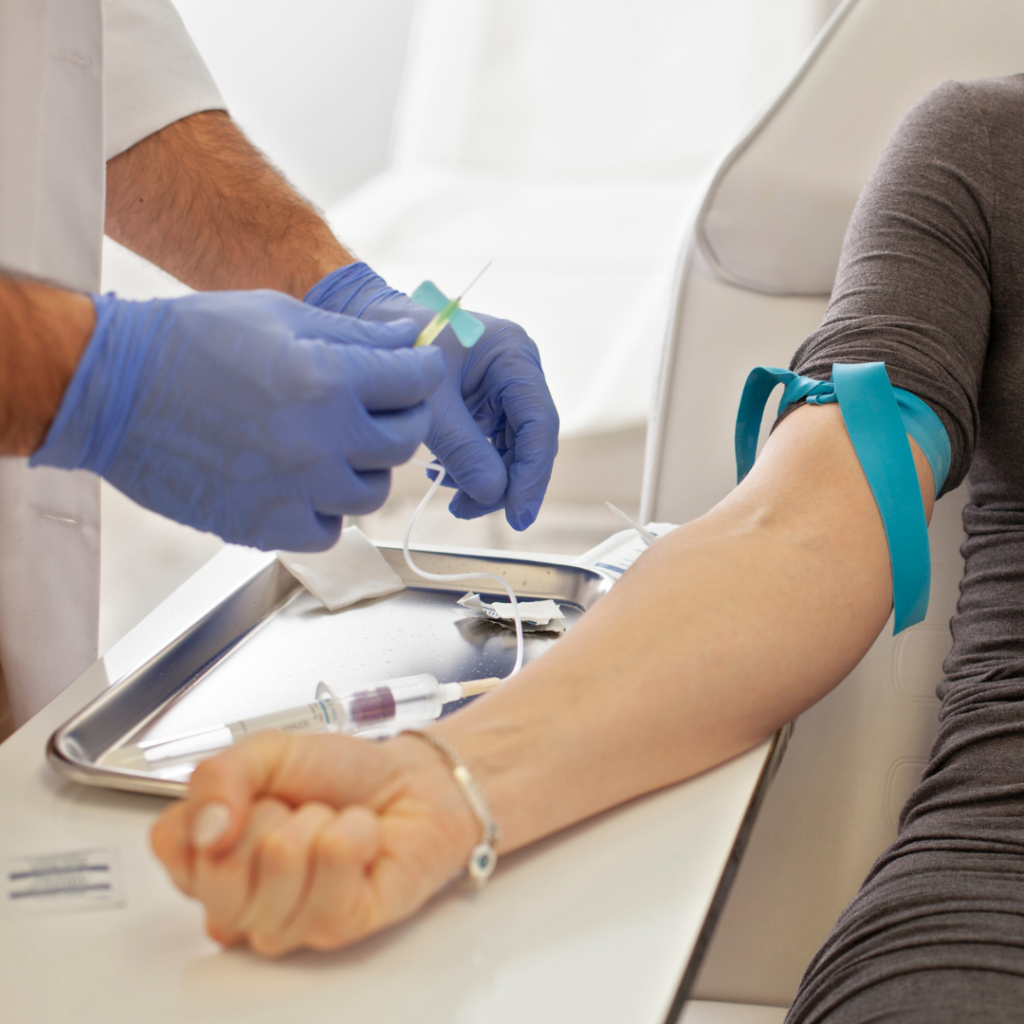
If your doctor told you that your iron is low, you may have heard two different terms: iron deficiency and iron deficiency anemia. Understanding the difference between iron deficiency vs iron deficiency anemia matters because it affects how your condition is diagnosed and treated. At Flare MD in the DFW area, we see patients at every stage of the iron depletion spectrum and help you get the right care.
Iron depletion is not a single event. It is a gradual process that moves through stages. You can have depleted iron stores without yet having anemia, and you can experience significant symptoms long before your hemoglobin becomes abnormal.
Think of it this way: iron deficiency means your iron stores are running low. Iron deficiency anemia means those stores have been depleted long enough and severely enough that your red blood cells are now impaired.
Iron deficiency refers to a state in which your body’s iron stores, measured primarily by a lab value called ferritin, are below the level needed to support normal physiological function. Your hemoglobin may still be within the normal reference range, but your body is already operating under strain.
Symptoms of iron deficiency without anemia can include fatigue, brain fog, reduced exercise tolerance, hair thinning, cold intolerance, and restless legs. Many patients are dismissed because their hemoglobin looks normal, but their ferritin tells a different story.
| Iron Deficiency | Iron Deficiency Anemia | |
|---|---|---|
| Ferritin Level | Low (typically below 30 ng/mL) | Very low (often below 12 ng/mL) |
| Hemoglobin | Normal range | Below normal |
| Red Blood Cells | Normal size and count | Smaller and fewer (microcytic) |
| Symptoms | Fatigue, brain fog, hair thinning, cold intolerance | All of the above plus shortness of breath, rapid heart rate, pallor |
| Detected By | Iron panel with ferritin | CBC and iron panel |
| Treatment | Oral supplementation or IV iron | Often requires IV iron infusion |
Iron deficiency anemia occurs when iron stores have been depleted long enough that the body can no longer produce adequate hemoglobin. Hemoglobin is the protein in red blood cells that carries oxygen throughout the body. When hemoglobin drops below normal, the blood’s oxygen carrying capacity is reduced.
At this stage, symptoms typically intensify. Shortness of breath, rapid heart rate, pallor, severe fatigue, and difficulty concentrating become more pronounced. This is the stage most commonly identified on a standard CBC, which is why many earlier stage cases go undetected.
Treating only the anemia without addressing the underlying cause will result in recurrence. And waiting until anemia develops to treat iron deficiency means allowing the body to operate in a depleted state for longer than necessary. At Flare MD, we evaluate the full picture, not just whether your hemoglobin is low, but why your iron is low and what the most effective and durable treatment plan looks like for you. Learn more about our IV iron infusion therapy options.
If you are experiencing persistent fatigue, difficulty concentrating, hair thinning, or exercise intolerance that does not improve with rest, it is worth having your iron levels checked. These symptoms can develop gradually and are easy to dismiss, but they often point to iron depletion that a simple blood test can confirm.
You should seek evaluation sooner rather than later if you have heavy menstrual periods, a history of gastrointestinal conditions such as celiac disease or inflammatory bowel disease, are pregnant or postpartum, follow a vegetarian or vegan diet, or have recently donated blood. These are all common contributors to iron deficiency that may require more than dietary changes alone.
If you have already been told your iron is low but your symptoms have not improved with oral supplements, it may be time to discuss IV iron infusion as a faster and more reliable alternative. Many patients who do not absorb oral iron well see significant improvement within weeks of an infusion.
At Flare MD, we do not rely on a standard CBC alone to evaluate iron status. We use a comprehensive iron panel including ferritin, TIBC, and transferrin saturation to understand exactly where you fall on the iron depletion spectrum. This approach catches iron deficiency early, before it progresses to anemia.
If treatment is needed, our team will work with you to determine the right approach based on your lab values, symptoms, and health history. For patients with moderate to severe depletion or absorption issues, we offer in-clinic IV iron infusion at our DFW and Huntsville locations with same-day and next-day availability.
Book your iron evaluation today and take the first step toward feeling like yourself again.
No. By definition, iron deficiency anemia involves a drop in hemoglobin below normal. However, you can have iron deficiency with hemoglobin that is low normal, technically within range but functionally suboptimal for your body. This is why a comprehensive iron panel including ferritin is more informative than a CBC alone.
Left untreated, iron deficiency anemia can strain the cardiovascular system, impair immune function, and significantly affect quality of life and cognitive performance. In pregnancy, it carries risks for both mother and baby. Prompt diagnosis and treatment are important.
Recovery time depends on the severity of the deficiency, the cause, and the treatment method. With iron infusion, patients often notice improvement in energy within one to three weeks, with full repletion of stores taking several weeks to a few months. Oral supplementation typically takes longer. The underlying cause must also be addressed to prevent relapse.
With oral supplements, improvement is gradual. For moderate to severe anemia, iron infusion delivers iron directly into the bloodstream, bypassing absorption issues and restoring levels more rapidly. The right choice depends on your lab values, symptoms, tolerance, and any conditions that affect absorption. At Flare MD, we assess all of these factors before recommending a treatment plan.